Blog Multilingual Decision | Why did I decide to spend time doing multilingual? (with real discovery)
A series of prefaces: As a blogger who has long shared technical content, my original intention to operate a blog is never to deliberately operate and pursue traffic, but to share the technical experience I have accumulated and the pit I have accumulated with more people in need. After running for a while, I stumbled to find that many overseas friends found my blog through search, but they could not obtain useful information due to language barriers, so I came up with the idea of translating the blog into multilingual. This series will record the complete practical process of the whole process from decision-making, plug-in selection, and classification translation to subsequent labels, menus, and article translations. It is a dry goods that have stepped on the pit and can be directly reused. It is suitable for the same as me.
Part 1: Blog Multilingual Decision | Why did I decide to spend time doing multilingual? (with real discovery)
Hello everyone, I have been operating blog for more than 10 years, mainly sharing related content in the field of programming. Different from many bloggers who deliberately operate blogs, my original intention of starting a blog is very simple: long-term recording, sincere sharing, sharing of technology and solutions that I have learned to people in need, irrelevant traffic, and irrelevant realization.
And let me have the idea of multilingualization, which stems from an accidental discovery in the background—
In the past 3 months, when I occasionally check the background statistics of the blog, there are three details that touched me particularly:
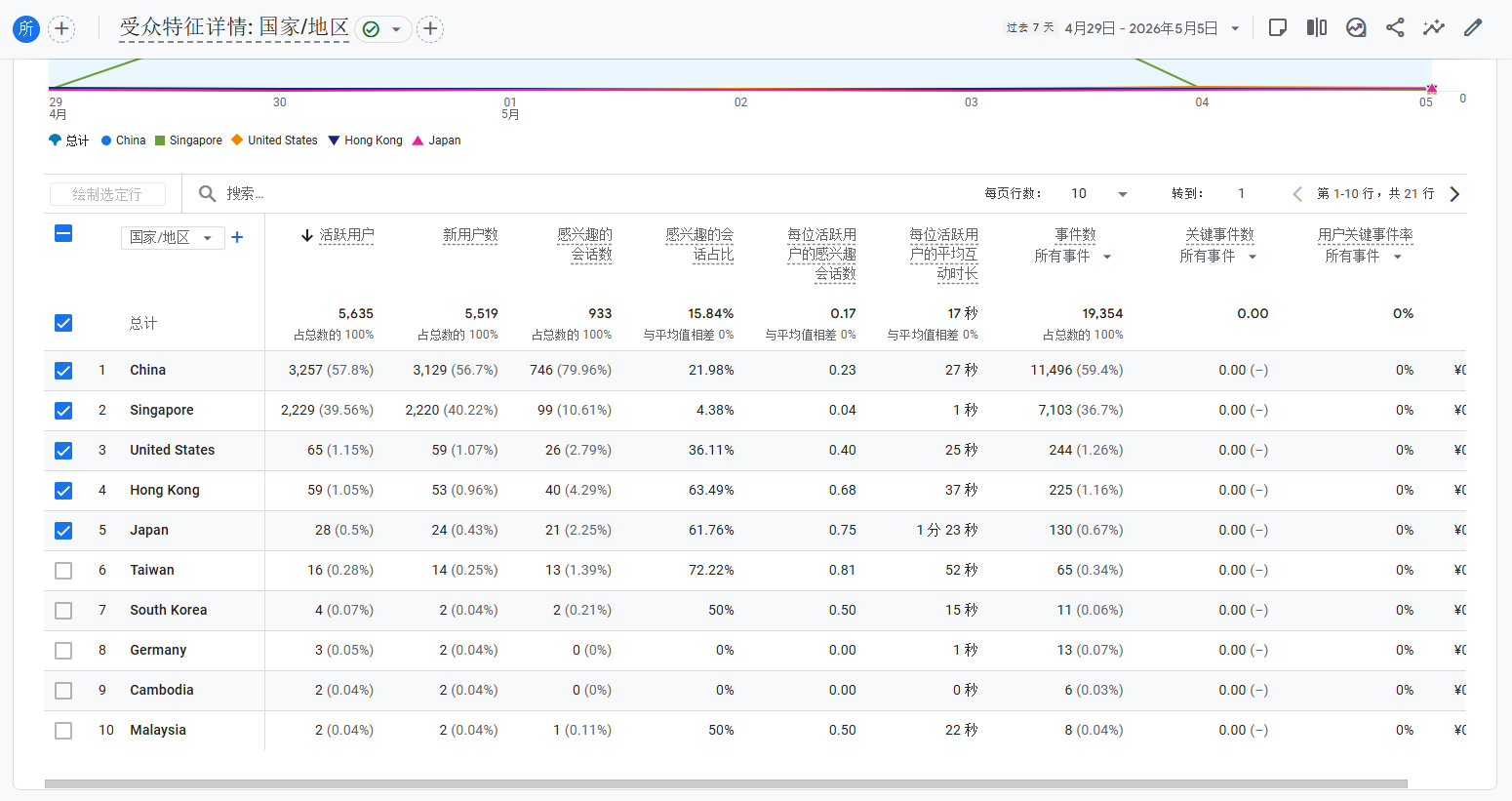
- Non-Chinese IP access accounts for 23%: Google Analytics found that more than 40% of the visits in the past seven days are from overseas, ranking in the top 10 countries/regions (China, Singapore, the United States, Hong Kong, Japan, Taiwan, South Korea, Germany, Cambodia, Malaysia), most of these users enter the blog through Google search , there is a high probability that I have encountered the same technical problem as I used to, but since the blog only has Chinese content, some non-Chinese users stay on average for less than 10 seconds, so they can only regret leaving (Figure 1).
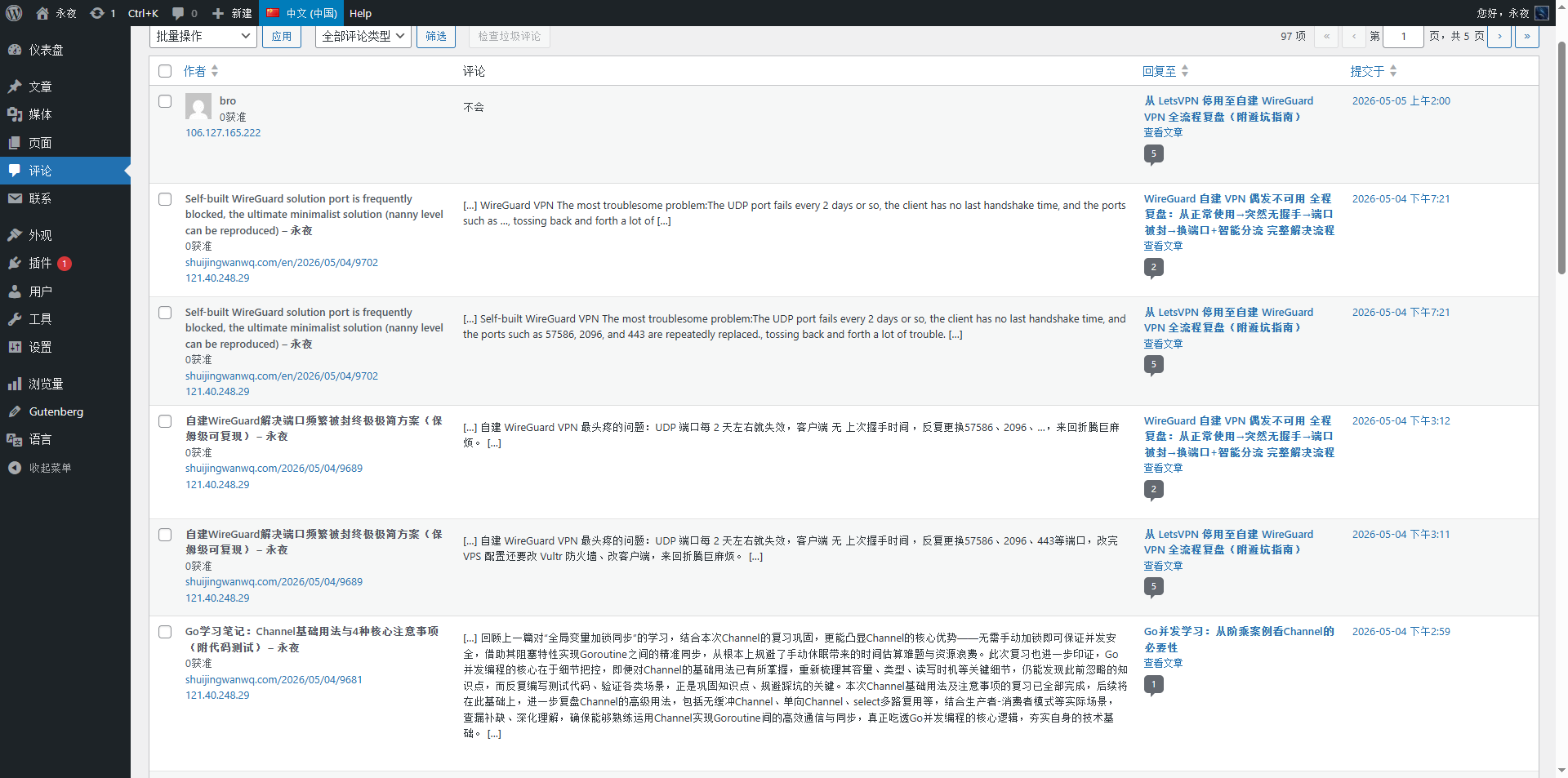
2. Potential needs of overseas users: Through background messages and search keywords, it is found that many overseas users try to leave messages in blunt Chinese, or English Wen leave a message, ask the details of the blog content, and it can be seen that they really need these technologies to share, but they are blocked by the language barrier (Figure 2).
3. Check the user statistics divided by language, and the top 4 languages (English, Chinese, Indonesian, Vietnamese) (Figure 3).
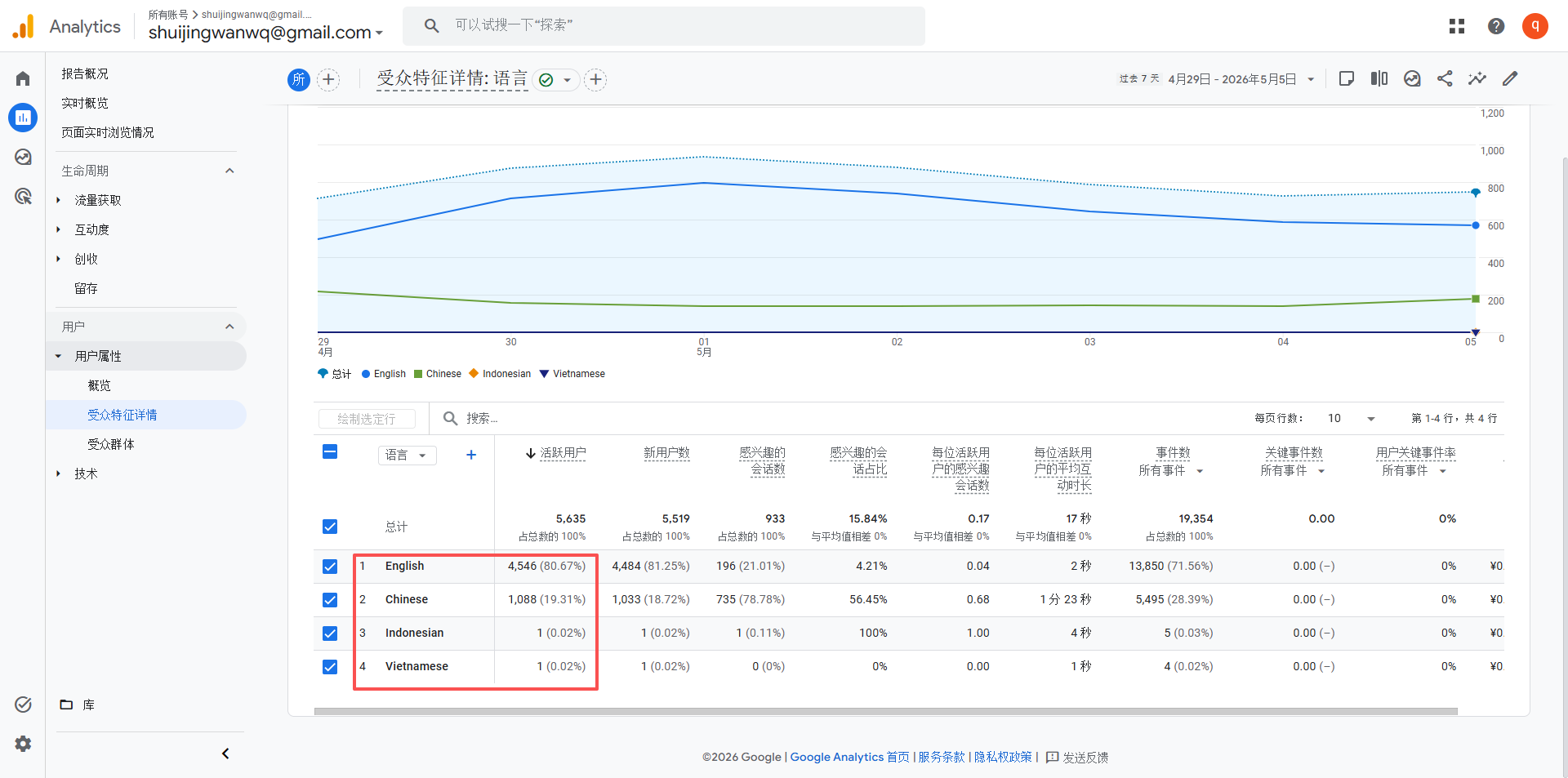
Based on the preliminary statistics of the country and language, it is decided to give priority to the translation of English.
In addition, there is a simple original intention, which has made me firm in the determination of multilingualization:
Technology itself has no borders, and there should be no language limitation to sharing. The technical tutorials I have spent time sorting and the experience of stepping on pits can help friends in China, and I should have the opportunity to help those who have the same needs overseas; I don’t want language to become an obstacle. The threshold of useful information dissemination, I just want my sharing to reach a wider area and a larger audience, even if it is just to help one more person, this contribution is meaningful.
Some friends may ask: Is it troublesome to do multi-language? It really takes time to invest in the early stage, but for me, this is not ‘operation’, but ‘extended sharing’ – once the construction is completed, only the Chinese language will be released in the future. Simultaneous translation after the article can make my content cross the boundaries of language and be seen and used by more people. This long-term value is far more worthwhile than temporary trouble.
Based on the above considerations, I officially launched the multilingual blog multilingual plan, and the core goal is very clear: break the language barriers, bring my technology sharing to a wider range of regions and audiences, so that sincere sharing can be seen by more people in need. In the next series of articles, I will share the practical process of each step with you in detail, so as to avoid everyone taking detours, and I also hope to drive more bloggers to share good content with the world.