

Series preface: As a blogger who has shared technical content for a long time, my original intention in running this blog has never been deliberate operation or chasing traffic. Instead, I hope to share the technical experience I have accumulated and the pitfalls I have encountered with more people who need it. After running the blog for a while, I happened to notice that many overseas friends found my blog through search engines but could not obtain useful information due to language barriers. This gave me the idea of translating the blog into multiple languages. This series will document the entire practical process—from decision-making and plugin selection to category translation, followed by tags, menus, and article translation. There is no excess theory, just practical, reusable takeaways from real experience. It is suitable for bloggers like me who want to share content with a broader regional audience and are committed to sharing over the long term.
Part 1: The Decision to Multilingualize the Blog | Why I Decided to Spend Time on Multilingual Support (With Real Findings)
Hello everyone, I have been running this blog for over 10 years, mainly sharing content related to programming. Unlike many bloggers who run their sites deliberately for growth, my original intention was simple: long-term documentation and sincere sharing. I wanted to share the technologies I learned and my problem-solving methods with those who need them, regardless of traffic or monetization.
What gave me the idea to implement multilingual support stemmed from an accidental discovery in the backend—
Over the past 3 months, while occasionally checking the blog’s backend statistics, three details particularly struck me:
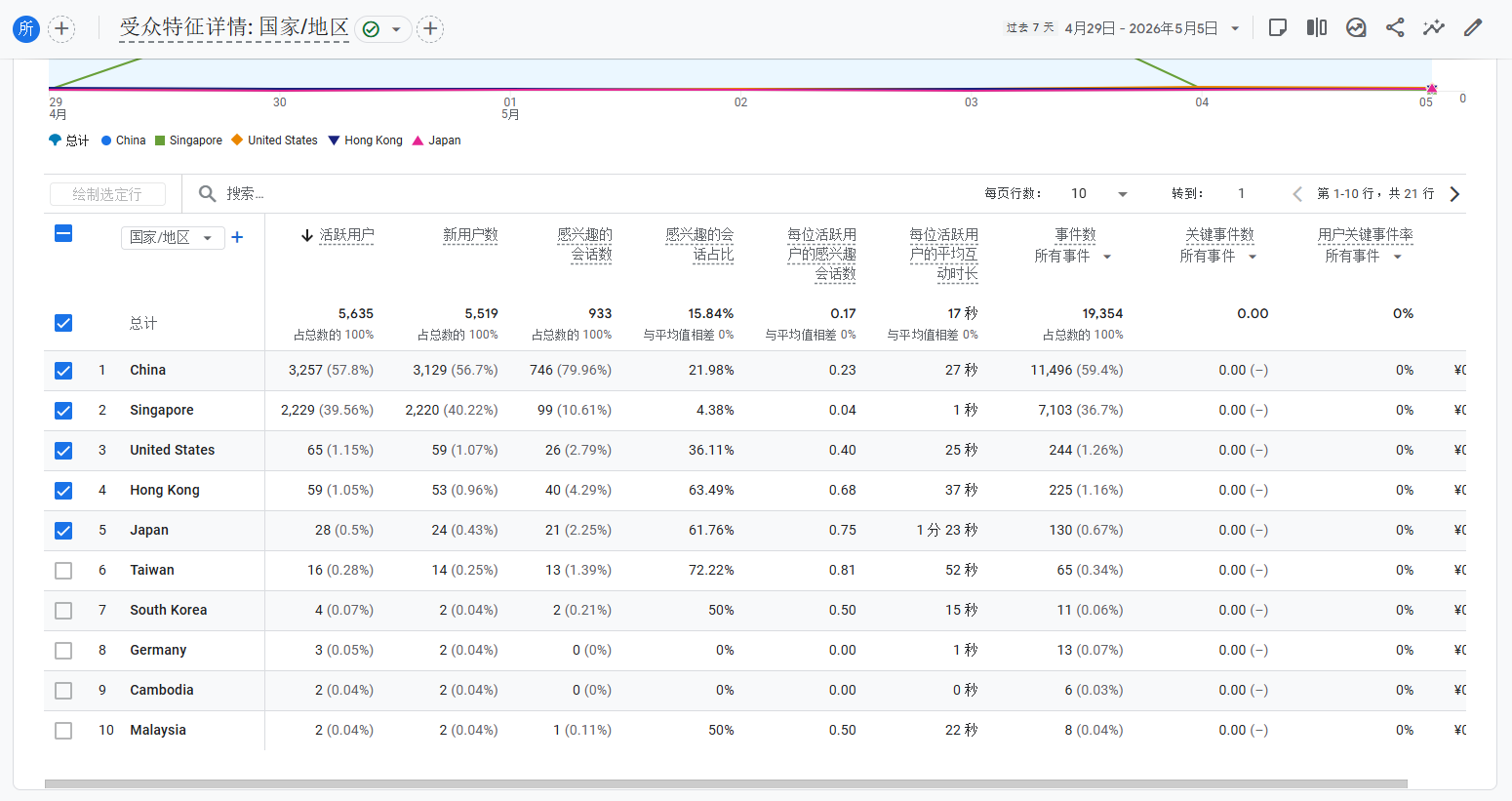
- Significant proportion of non-Chinese visits: Through the backend statistics tool Google Analytics, I found that in the past seven days, over 40% of visits came from multiple regions outside mainland China. Most of these users entered the blog via Google search, likely encountering the same technical problems I once faced. However, because the blog only has Chinese content, the average session duration for some non-Chinese users was less than 10 seconds, and they had to leave disappointed (see Figure 1).
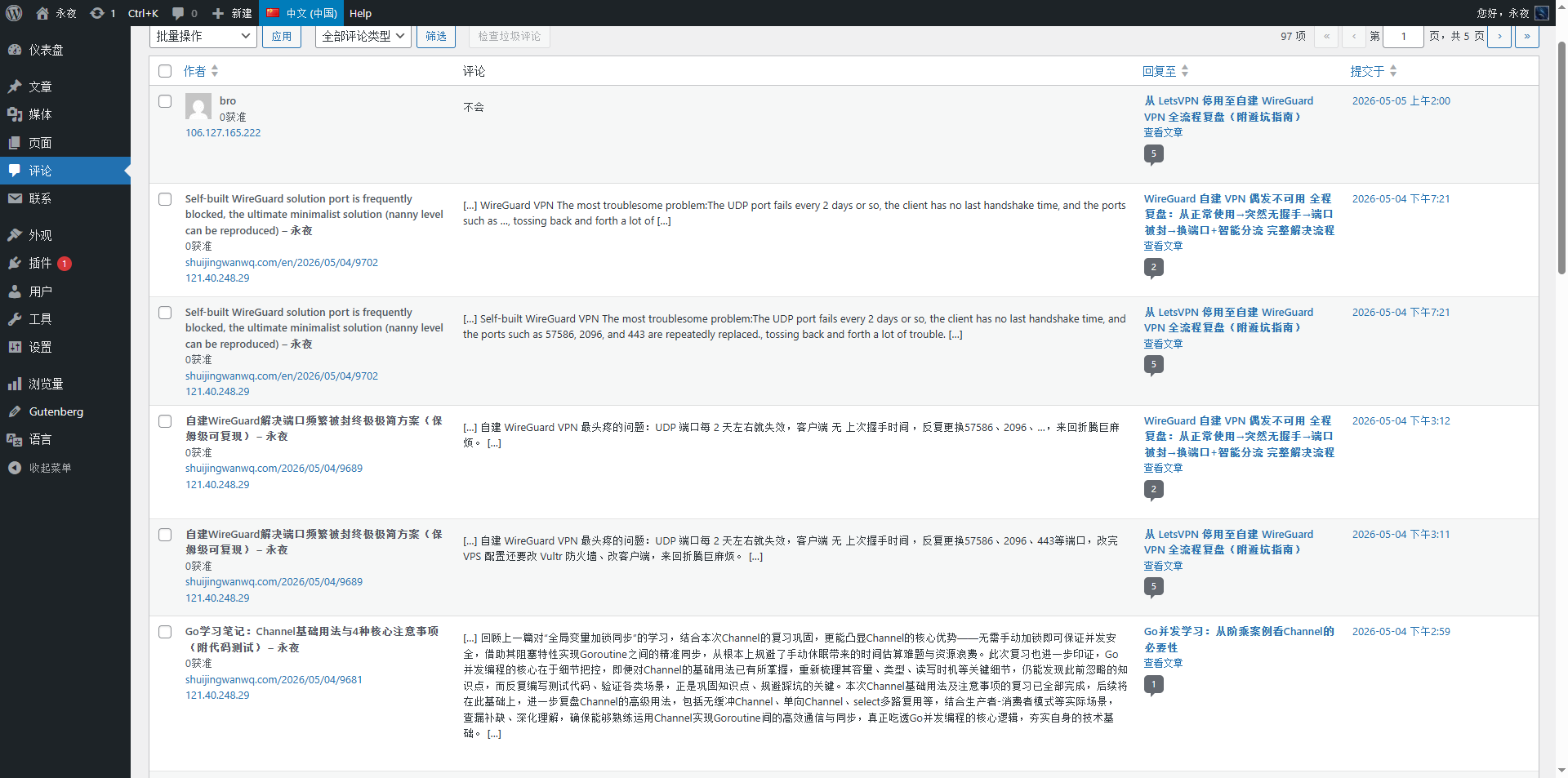
2. Potential needs of overseas users: Through backend comments and search keywords, I found that quite a few overseas users tried leaving comments in broken Chinese or directly in English to ask about details of the blog content. It is evident that they genuinely need these technical shares but are blocked by language barriers (see Figure 2).
3. Looking at user statistics broken down by language, the top languages include English, Chinese, Indonesian, and Vietnamese (see Figure 3).
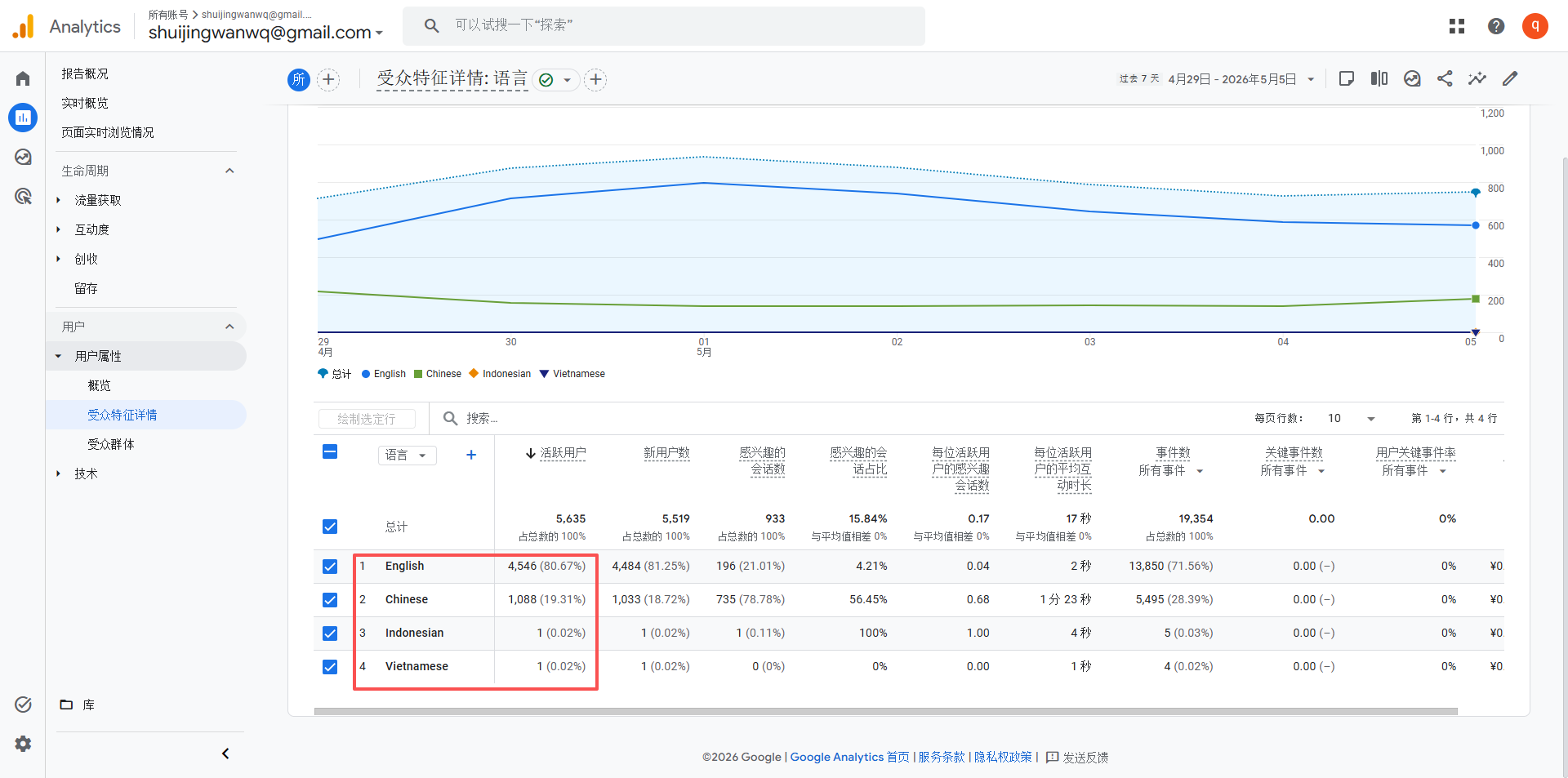
Based on the preliminary statistics of visit source regions and user languages, I decided to prioritize English translation support.
Beyond this, a simple original intention strengthened my determination to go multilingual:
Technical knowledge itself can cross geographical boundaries, and sharing should not be limited by language. The technical tutorials and pitfall experiences I spent time compiling can help Chinese readers, and they should also have the opportunity to help people in other language environments with the same needs. I do not want language to become a threshold that hinders the spread of useful information; I just want my sharing to reach broader regions and audiences. Even if it only helps one more person, this effort is meaningful.
Some friends might ask: Isn’t doing multilingual support a lot of trouble? It does require an upfront time investment, but for me, this is not “operation,” but “extended sharing”—once the setup is complete, I only need to synchronize translations after publishing Chinese articles to allow my content to cross language boundaries and be seen and used by more people. This long-term value is far more worthwhile than temporary hassle.
Based on these considerations, I officially started the blog multilingualization plan. The core goal is clear: lower language barriers, bring my technical shares to broader regions and audiences, and let sincere sharing be seen by more people who need it. In the upcoming series of articles, I will share the detailed practical process of every step to help you avoid detours, and I also hope to provide some reusable experience for more bloggers with similar needs.